The sacred Char Dham Yatra in the Himalayas is not just a journey through breathtaking mountains and ancient temples—it is a deeply spiritual experience that connects devotees with faith, purity, and divine blessings. Among the many traditions followed during this pilgrimage, one of the most significant is carrying Gangajal from Gangotri.
For centuries, devotees have believed that the holy water of the River Ganga possesses divine powers capable of purifying the body, mind, and soul. Pilgrims visiting Gangotri often fill bottles or containers with Gangajal and carry it back home for religious rituals, temple offerings, and spiritual practices.
But why is Gangajal from Gangotri considered so sacred? Why do millions of devotees travel long distances just to collect this holy water? Let’s explore the spiritual, religious, historical, and scientific reasons behind this timeless tradition.
What Is Gangotri?
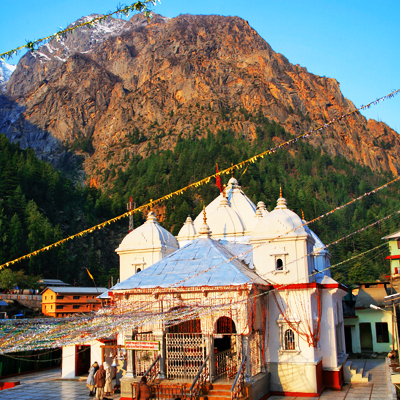
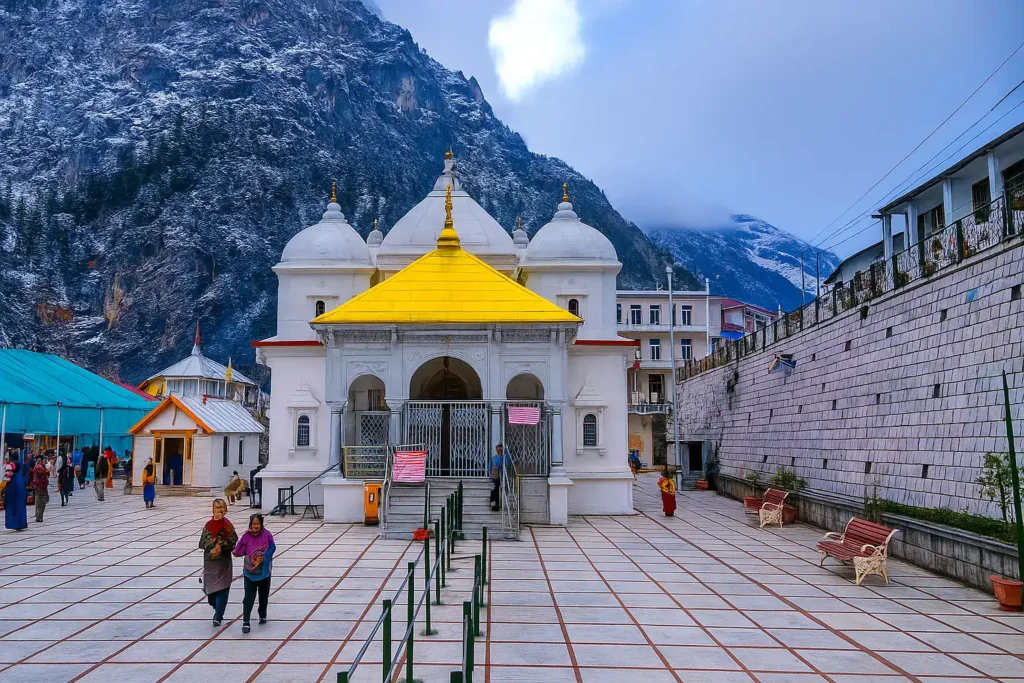
Gangotri Temple is one of the four sacred shrines of the Char Dham Yatra in Uttarakhand. situated at an altitude of around 3,100 meters in the Garhwal Himalayas, Gangotri is believed to be the origin point of the holy river Ganga.
The sacred temple of Goddess Ganga is located amidst stunning Himalayan landscapes. Devotees visit Gangotri to seek blessings and experience the spiritual origin of the holy river Ganga.
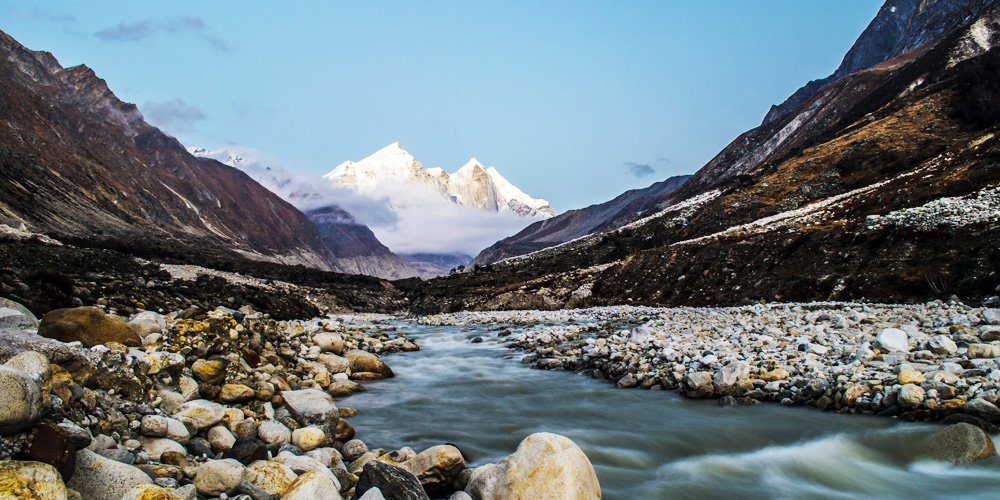
According to Hindu mythology, Goddess Ganga descended from heaven to earth at Gangotri after intense penance by King Bhagirath, who prayed for the salvation of his ancestors. The actual source of the river is the Gaumukh Glacier, located about 18 kilometers from Gangotri.
Because of this divine origin, the water collected here is considered spiritually pure and highly sacred.
What Is Gangajal?
Gangajal literally means “water of the Ganga.”
In Hinduism, Gangajal is regarded as one of the holiest substances on earth. Devotees believe it carries divine energy and blessings from Goddess Ganga herself.
Unlike ordinary water, Gangajal is used in:
- Daily worship rituals
- Temple ceremonies
- House purification
- Marriage rituals
- Naming ceremonies
- Festivals
- Funeral rites
- Last rites and cremation rituals
Many Hindu households keep Gangajal stored for years because it is considered eternally pure.
The Spiritual Importance of Carrying Gangajal
- Symbol of Purity and Cleansing
The primary reason devotees carry Gangajal from Gangotri is spiritual purification.
Hindu scriptures describe the River Ganga as a purifier of sins. It is believed that even a few drops of Gangajal can cleanse negative karma and bring spiritual peace.
Devotees often sprinkle Gangajal inside homes, during pujas, on sacred idols, during festivals, before starting auspicious work.
People believe this removes negativity and creates a spiritually positive atmosphere.
- Connection with Goddess Ganga
In Hindu belief, the River Ganga is not just a river—it is worshipped as a goddess.
Carrying Gangajal home symbolizes bringing the blessings of Goddess Ganga into one’s life. Many devotees feel emotionally connected to the sacred water because it represents divine grace, forgiveness, spiritual awakening, salvation.
For many pilgrims, bringing Gangajal back home completes the spiritual journey of Char Dham Yatra.
- Use in Religious Rituals
Gangajal is considered essential in many Hindu rituals.
Some common uses include during puja and festivals to purify idols, temples, and worship items before prayers begin, during housewarming ceremonies to invite positivity and remove negative energy. Also during marriage ceremonies as Gangajal is considered sacred for blessings and purification rituals.
- Use in Funeral Rituals
One of the most emotional uses of Gangajal is during final rites.
In Hindu tradition:
- A few drops of Gangajal are placed in the mouth of a dying person.
- It is believed to help the soul attain peace and salvation.
- Gangajal is also used during cremation ceremonies and post-funeral rituals.
This belief comes from the idea that Goddess Ganga guides souls toward liberation or moksha.
Because of this, many families preserve Gangajal at home for important spiritual occasions.
Why Is Gangajal from Gangotri More Sacred?
While the River Ganga flows through many cities, Gangajal collected directly from Gangotri is considered especially holy because of its origin.
- Closest to the Source
At Gangotri, the water is fresh from the Himalayan glaciers and untouched by urban pollution. Devotees believe this makes it spiritually stronger and purer.
- Mythological Significance
According to Hindu mythology, this is the region where Goddess Ganga first descended to earth. This divine association increases the spiritual value of the water.
- Himalayan Energy
Many spiritual seekers believe the Himalayas possess unique spiritual vibrations. Water flowing through these mountains is considered highly energized and sacred.
Scientific Reasons Behind the Uniqueness of Gangajal
Several studies have observed that Ganga water possesses unusual properties compared to ordinary river water. Interestingly, Gangajal has also fascinated scientists for years because of:
- Natural Purification Ability
Researchers found that Ganga water has bacteriophages—viruses that destroy harmful bacteria. This may explain why Gangajal remains fresh for long periods without spoiling.
- High Oxygen Retention
Gangajal reportedly retains oxygen longer than normal water, helping it stay fresher naturally.
- Himalayan Minerals
As the river flows through the Himalayas, it absorbs minerals and medicinal herbs from the mountains, contributing to its unique composition.
Although devotees primarily value Gangajal for spiritual reasons, these scientific observations further increase its fascination.
The Emotional Connection of Pilgrims
For many devotees, collecting Gangajal is not merely a ritual—it is an emotional and spiritual achievement.
The journey to Gangotri involves mountain roads, harsh weather, high altitude travel, physical effort and devotion.
After completing this sacred journey, carrying Gangajal home becomes a symbol of faith, dedication, and divine blessings.
Many pilgrims distribute Gangajal among family members and neighbors as prasad from the holy dham.
Connection Between Gangajal and Lord Shiva
According to mythology:
- Goddess Ganga descended from heaven with immense force.
- Lord Shiva captured the river in his matted hair to control her power and safely release her onto earth.
Because of this story, Gangajal is frequently offered to Shiva Lingas in temples, especially during Shravan month, Mahashivratri, Kanwar Yatra.
Devotees believe offering Gangajal to Lord Shiva fulfills wishes and brings blessings.
During the Char Dham pilgrimage, many devotees carry Gangajal from Gangotri to offer at:
- Kedarnath Temple
- Badrinath Temple
This is considered highly auspicious.
Some pilgrims also carry the water throughout the entire Yatra before taking it home.
Best Time to Visit Gangotri
The ideal time to visit Gangotri is between:
- May to June
- September to October
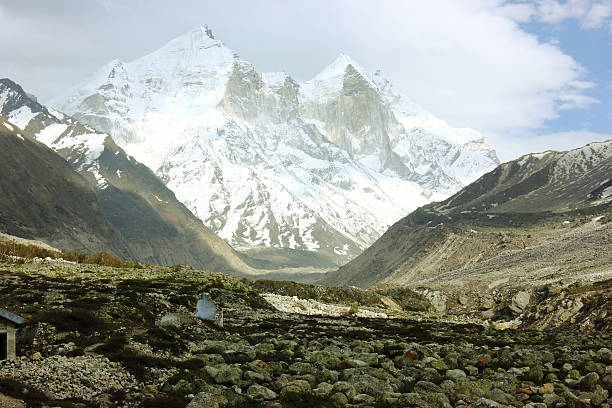
The temple usually remains closed during winter because of heavy snowfall.
During Char Dham season, thousands of pilgrims visit Gangotri to seek blessings and collect Gangajal.
The tradition of carrying Gangajal from Gangotri is deeply rooted in faith, devotion, and spirituality. For devotees, Gangajal is far more than ordinary water—it is a sacred symbol of purity, divine blessings, and spiritual liberation.
From religious rituals and temple worship to emotional family traditions and final rites, Gangajal holds a unique place in Hindu culture. The belief that this holy water can purify the soul and connect devotees with Goddess Ganga continues to inspire millions of pilgrims every year.
Those who undertake the sacred journey to Gangotri, bringing back Gangajal is a beautiful reminder of their connection to faith, the Himalayas, and the divine energy of the River Ganga.